
Deer Collision Reminder - Safety Tips - Commercial
Chris Osullivan | Oct 06 2026 15:00
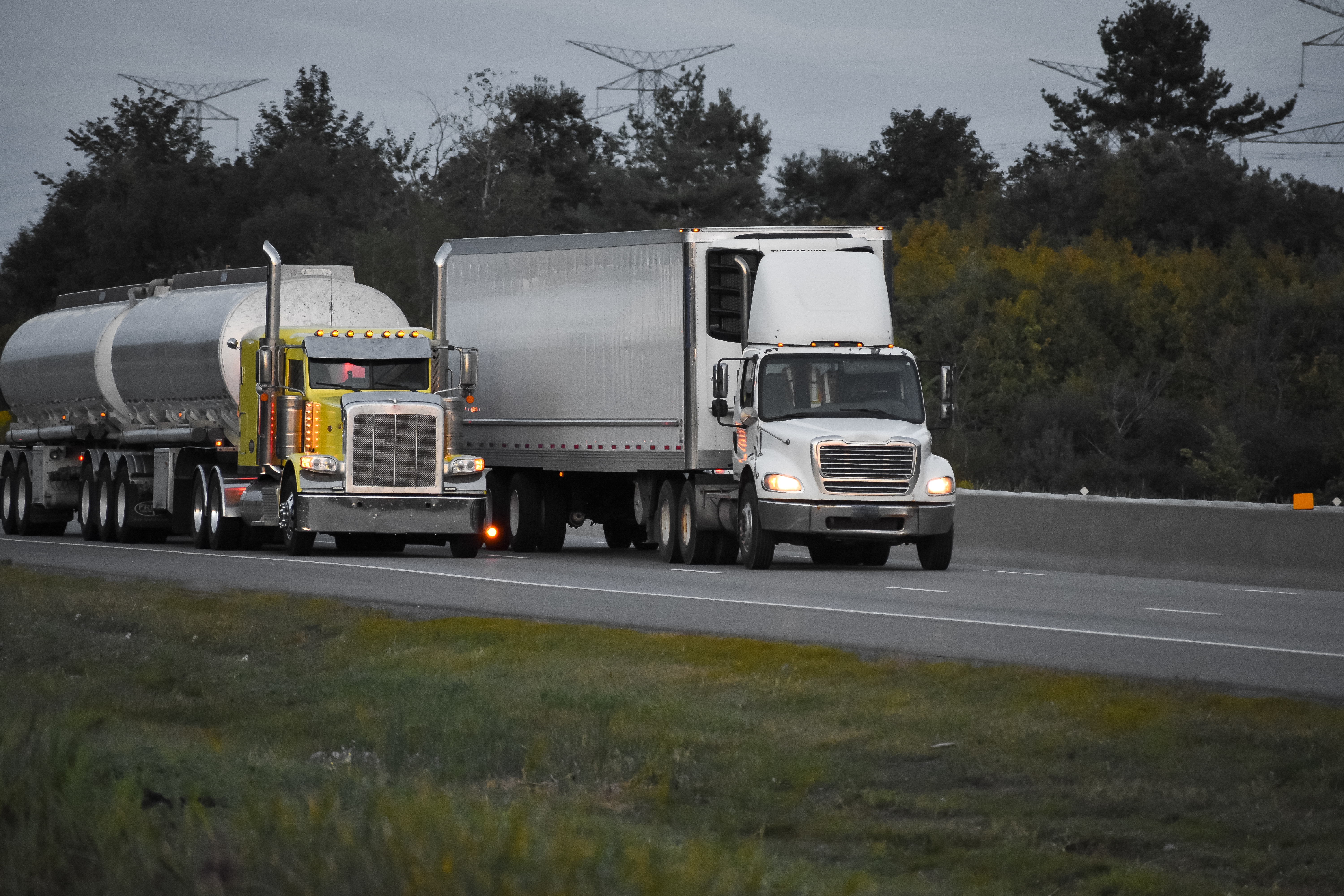
Shorter days and increased wildlife movement make fall a challenging season for anyone who drives for work. Deer activity rises sharply during this time of year, especially around sunrise and sunset when visibility naturally decreases. For businesses that depend on safe, reliable travel, taking extra precautions now can help prevent accidents and minimize disruptions.
For companies in communities like Tomball, Cypress, and Houston that rely on commercial auto insurance and strong fleet safety practices, understanding seasonal risks is essential. A single deer collision can lead to vehicle downtime, employee injuries, and major operational setbacks. Preparing drivers with clear safety reminders can help keep everyone safer throughout the fall months.
Why Deer Activity Increases in the Fall
As summer transitions into autumn, deer become more active due to seasonal patterns and mating behaviors. From October through December, drivers are more likely to encounter wildlife near roadways. Since dawn and dusk are prime movement times, these hours bring an elevated risk of sudden crossings.
Even routes that drivers travel every day can present new hazards during this period. Roads surrounded by trees, fields, or undeveloped land tend to experience the most deer activity, and drivers should pay attention to posted crossing signs and rural travel paths.
Encourage Drivers to Stay Fully Aware of Their Surroundings
One of the most effective ways to reduce deer-related accidents is maintaining full situational awareness. Deer can emerge quickly from wooded areas, medians, ditches, or tall grass, often giving drivers only a brief moment to react.
Employees who handle service calls, commute between job sites, or work long shifts behind the wheel should be reminded to limit distractions and stay focused, particularly during low-light hours. Being alert helps drivers notice subtle movement and gives them more time to respond safely.
Slow Down in Areas Known for Deer Activity
Speed plays a major role in collision prevention. When drivers reduce speed in high-risk zones, they give themselves more time to spot potential hazards and bring the vehicle to a controlled stop.
Encouraging employees to drive at or slightly below the posted speed limit can make a meaningful difference. Even a few additional seconds of reaction time may help prevent a long list of potential problems, from vehicle damage to injury.
Expect Multiple Deer, Not Just One
It’s common for drivers to assume the roadway is clear after a single deer crosses. However, deer frequently travel in groups, with others following closely behind.
Employees should be reminded to continue scanning the area after seeing the first deer. This precaution is especially important for larger commercial vehicles carrying tools, inventory, or passengers, since heavier vehicles need longer distances to come to a full stop.
Use High Beams When the Roadway Is Clear
Proper visibility matters even more during fall and winter. Whenever road conditions allow and no oncoming vehicles are present, high beams can help illuminate deer sooner and give drivers a better chance of spotting movement along the shoulder.
However, increased visibility doesn’t guarantee a clear path. Even when fully lit, deer may freeze in place or hesitate before moving, so drivers should stay prepared to brake if needed.
Brake Rather Than Swerve
Swerving to avoid a deer is a natural reaction, but it often creates more danger than striking the animal. Abruptly leaving the travel lane raises the risk of hitting another vehicle, colliding with a tree, losing control, or veering into oncoming traffic.
In most situations, steady braking while remaining in the same lane is the safest choice. Training drivers to prioritize control over avoidance can help prevent serious secondary accidents.
Review Proper Steps After a Deer Collision
Even careful drivers cannot prevent every encounter with wildlife. For that reason, businesses should ensure employees know what to do if a deer collision occurs.
- Move the vehicle to a safe location if possible.
- Check for injuries to the driver and any passengers.
- Call emergency services if medical attention is needed.
- Notify local law enforcement when appropriate.
- Avoid approaching an injured deer since it may react unpredictably.
- Document the scene with photos and notes before filing a report.
Encouraging calm, consistent steps can reduce confusion and help employees stay safe during stressful moments.
Review Commercial Auto Insurance Before Deer Season
Fall is also a smart time for businesses to review commercial auto insurance. Damage from deer collisions is typically covered under the comprehensive portion of a policy, not collision coverage. If a business carries only liability insurance, damage to its own vehicles is usually not included.
Companies may also benefit from evaluating their current vehicle schedules, deductibles, reporting procedures, and claim expectations. A proactive review can help avoid delays or misunderstandings if a claim needs to be filed later in the season.
Helping Your Business Stay Prepared This Fall
Simple reminders can make a major difference when it comes to keeping drivers safe. Reinforcing awareness, reducing speed, and emphasizing safe responses can all help protect employees and vehicles from seasonal risks.
The team at O’Sullivan Integra is here to support businesses across Tomball, Cypress, and Houston with reliable commercial auto insurance options and guidance. If you’d like to review your policy or explore coverage that fits your needs, reach out to us anytime. We’re here to help you stay prepared for the season ahead.