
Deer Collision Reminder - Safety Tips - Personal
Chris Osullivan | Oct 20 2026 15:00
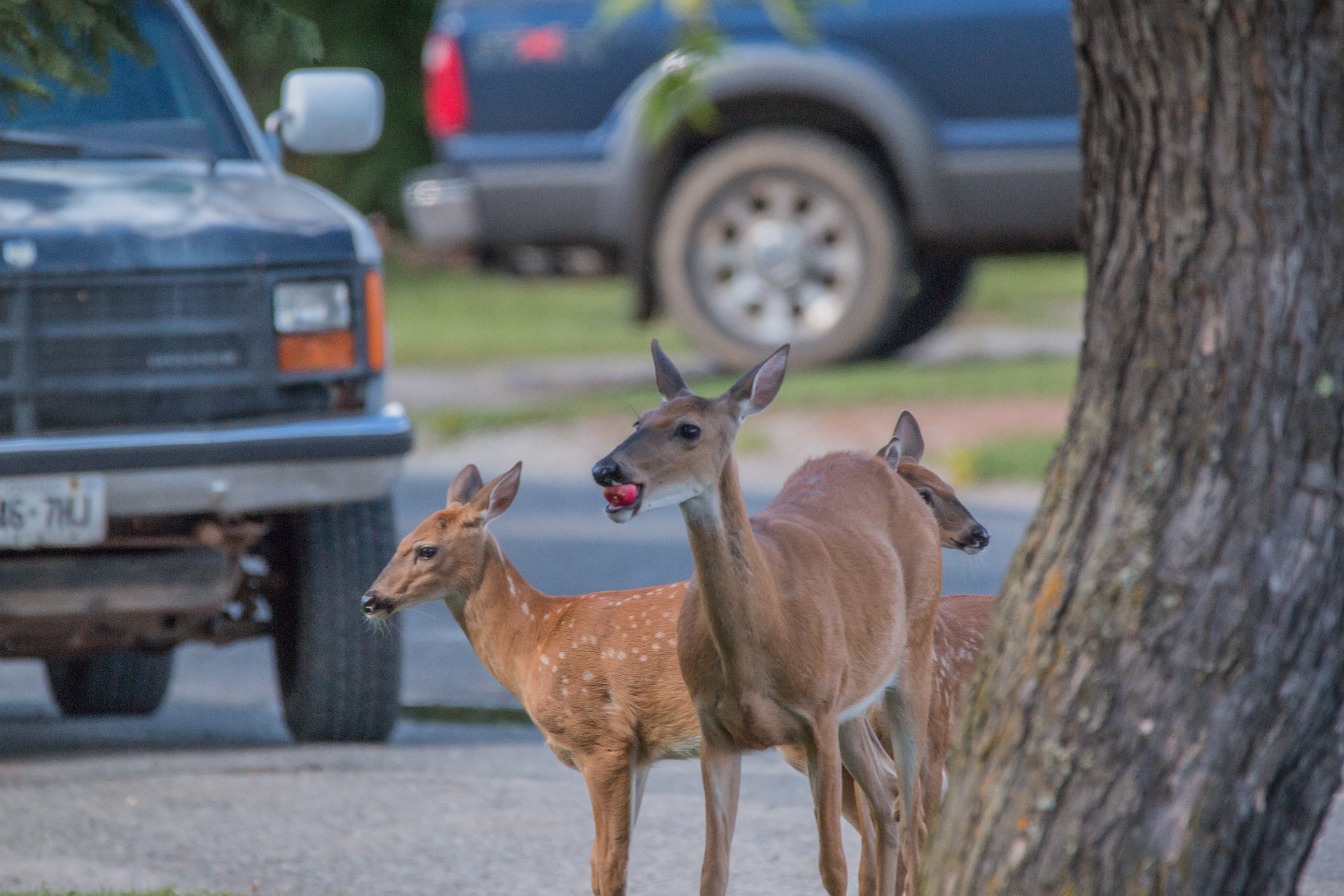
Shorter days and increased deer activity make fall a challenging time for drivers across Tomball, Cypress, Houston, and surrounding communities. Deer move more frequently during early morning and evening hours, which can lead to a greater risk of unexpected encounters on the road. Understanding why these incidents happen and knowing how to respond can help keep you and your vehicle safe.
As an independent insurance agency, O’Sullivan Integra encourages drivers to stay aware during this season. With a few practical habits, you can lower your risk of a collision and feel more confident behind the wheel.
Why Deer Are More Active in the Fall
During the fall months—especially between October and December—deer tend to travel more often, increasing the likelihood that they will wander across roadways. Their movements often peak around dawn, dusk, and in the hours after sunset, when lighting conditions make it difficult to see clearly.
Because visibility is limited during these times, deer may not be noticeable until they are already near the roadway. Staying attentive can help you spot deer earlier and allow more time to react safely.
Stay Alert in High-Risk Areas
A key part of preventing deer collisions is simply paying closer attention to your surroundings. Instead of watching only the road ahead, scan both sides for signs of movement. This habit is especially important in wooded areas, rural roads, or open fields where deer tend to gather.
Roadway signs marking deer crossings are placed in locations with a history of wildlife activity. When you see these signs, slow down and stay focused, as deer may be nearby even if none are immediately visible.
Limiting distractions—such as mobile devices or adjusting dashboard settings—can also give you more time to respond if a deer suddenly enters your path.
Reduce Speed to Gain Reaction Time
Driving at a safe, controlled speed helps you respond more effectively to unexpected hazards. Lower speeds provide extra seconds to brake and maintain control, which can significantly reduce the risk of a crash.
This is especially valuable on two-lane roads, rural routes, and areas surrounded by tree cover, where deer can appear suddenly. Even a small decrease in speed can improve your chances of safely avoiding a collision.
Use Your Headlights to Improve Visibility
When driving after dark, your headlights are essential for spotting wildlife early. If there is no oncoming traffic, using your high beams can help illuminate the roadside and reveal deer farther ahead.
If you see a deer on or near the road, some safety recommendations suggest switching to low beams. Bright lights may confuse or freeze the animal, increasing the risk that it stays in your lane instead of moving away.
Using your headlights strategically can enhance visibility without startling wildlife.
Expect More Deer if You See One
Deer rarely travel alone. If a single deer crosses in front of your vehicle, more are often close behind. Instead of accelerating once the first deer leaves the roadway, continue slowing down and watch both sides of the road carefully.
Waiting a few extra seconds can help you avoid a second deer that may appear without warning.
Brake Firmly Instead of Swerving
When a collision seems unavoidable, swerving may feel like a natural reaction, but it can create far more danger. Sharp turns at high speed can lead to collisions with oncoming traffic, roadside barriers, or ditches.
In most situations, the safest response is to stay in your lane, hold the steering wheel securely, and brake firmly. This reduces the chances of a more serious crash while still slowing enough to minimize impact.
Be Cautious With Deer Whistles
Some drivers install deer whistles in hopes of scaring animals away from the road. While these devices may offer peace of mind, they should never replace safe driving habits.
Staying alert, slowing down in high-risk areas, and watching for movement remain the most dependable ways to reduce collisions. If needed, using your horn may encourage a deer to move, but attentive driving is still your most effective defense.
What to Do After a Deer Collision
Even with careful driving, accidents involving deer can still happen. Your safety should always come first. If possible, move your vehicle to a safe location away from oncoming traffic and turn on your hazard lights.
Check yourself and your passengers for injuries, and contact emergency services if anyone needs medical attention. Depending on local requirements, you may also need to notify law enforcement.
Avoid approaching the deer, even if it appears hurt. Injured animals can act unpredictably and may be dangerous. If it is safe to do so, take photos of the vehicle damage before contacting your insurance provider, as documentation can help during the claims process.
How Auto Insurance Handles Deer Collisions
Many drivers are surprised to learn that damage caused by hitting a deer is typically covered under the comprehensive section of an auto insurance policy, not collision coverage. If you only carry liability insurance, damage to your own vehicle is generally not covered.
Because every policy is different, reviewing your coverage ahead of time can help you understand what protection you currently have. O’Sullivan Integra can help you review your auto insurance options and determine whether your coverage meets your needs during peak deer season.
Our team is here to answer your questions, walk you through your policy details, and help you stay prepared throughout the fall months.