
Fall Prevention Awareness Month - Sept. - Tips for Businesses
Chris Osullivan | Sep 09 2026 15:00
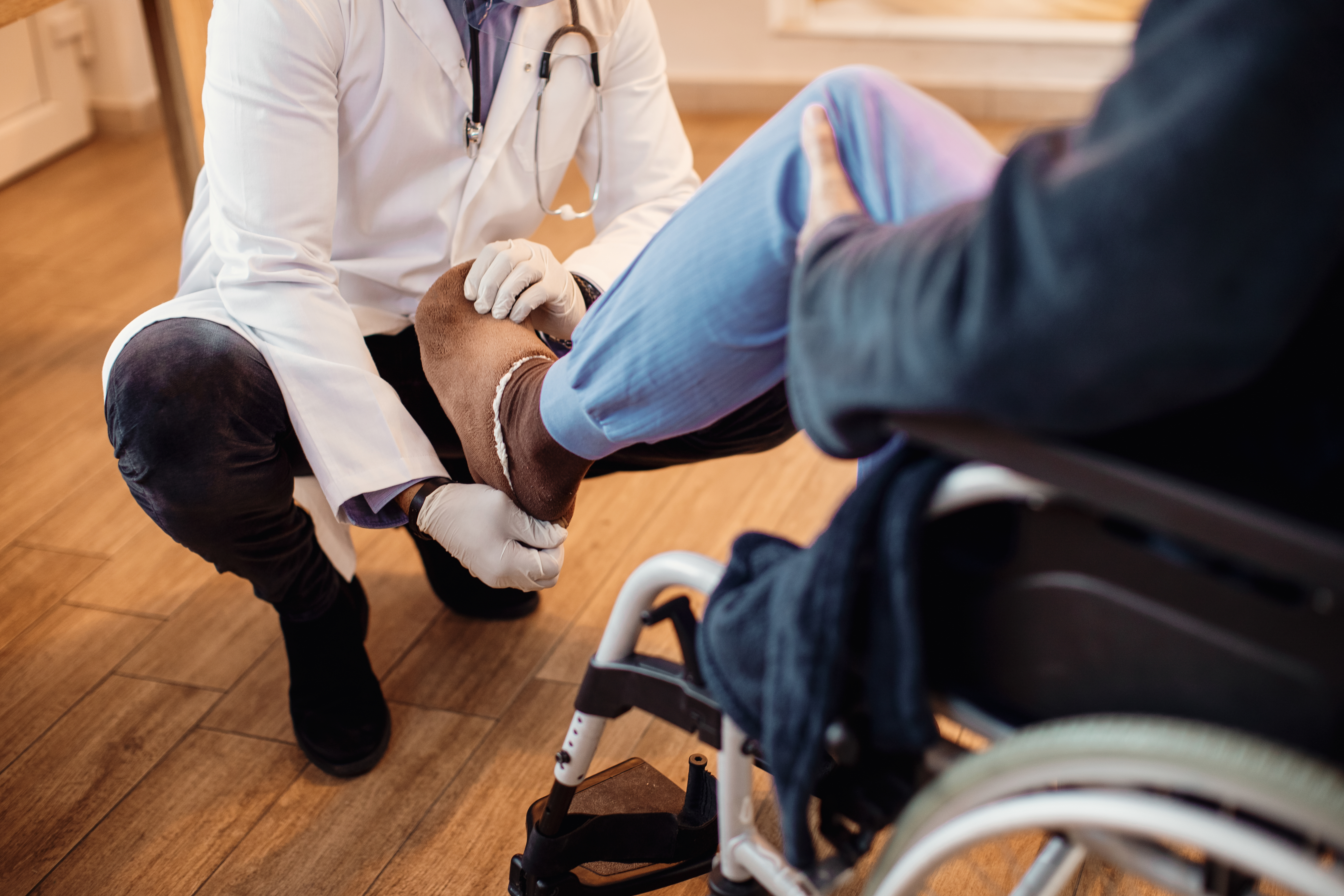
September’s Fall Prevention Awareness Month serves as an important reminder for businesses to take a closer look at everyday safety risks. Slips, trips, and falls may seem minor compared to other workplace hazards, yet they consistently rank among the top causes of injuries across many industries. By focusing on simple preventive measures, organizations can strengthen their safety practices and create more secure environments for employees, customers, and visitors.
Many of these incidents are avoidable with consistent maintenance, awareness, and preparation. Small issues—like a misplaced cord or wet floor—can cause serious harm when overlooked. Fall Prevention Awareness Month offers businesses the chance to review their processes, address weak spots, and foster a stronger culture of safety.
Why Slip, Trip, and Fall Prevention Is Essential
Slip, trip, and fall accidents can happen almost anywhere, from office buildings and retail spaces to warehouses, restaurants, healthcare facilities, and construction sites. Hazards often emerge in both indoor and outdoor areas, making awareness and consistent monitoring critical.
What makes these accidents particularly concerning is that they’re often rooted in easy-to-fix issues. A dim hallway or a wet floor may appear insignificant in the moment, but they can quickly lead to major injuries. Whether the affected person is an employee, customer, or vendor, the consequences can be disruptive and costly.
In addition to the immediate injury, businesses may face workers’ compensation claims, downtime, decreased productivity, and liability concerns. Taking steps to prevent slip-and-fall incidents helps protect individuals and supports smoother business operations overall.
Keep Walkways and Shared Areas Clear
Maintaining tidy, organized spaces is one of the easiest ways to reduce fall risks. Cluttered hallways, loose wires, uneven flooring, and misplaced items can become hazards for anyone navigating the workplace.
Encouraging employees to keep their areas orderly can make a meaningful difference. When shared spaces are consistently free of obstacles, the entire workplace becomes safer. Clear housekeeping expectations also help create a culture where hazard prevention is part of daily routines.
Routine walk-throughs and inspections are helpful for spotting issues early. By identifying problems before they escalate, businesses can stay ahead of potential risks.
Tackle Wet Surfaces Before They Lead to Accidents
Moisture-related hazards are a leading cause of slip incidents. Whether from a spill, tracked-in rainwater, or freshly cleaned floors, wet surfaces can quickly create unsafe conditions.
Businesses can lower the risk by placing absorbent mats at entryways, using warning signs when floors are damp, and establishing clear cleanup procedures. These steps help alert people to slippery areas while reducing the likelihood of a fall.
Seasonal weather adds additional challenges. Rain, humidity, and changing temperatures can affect indoor and outdoor surfaces, especially near entrances and heavily trafficked walkways.
Enhance Lighting Across the Property
Good lighting is essential for preventing falls. When visibility is poor, people are less likely to notice uneven surfaces, misplaced items, or unexpected obstacles.
Businesses should routinely evaluate lighting in hallways, stairwells, parking lots, loading zones, and entry areas. Adequate illumination helps people move safely throughout the property.
As days grow shorter later in the year, lighting becomes even more important. Replacing burnt-out bulbs and fixing malfunctioning fixtures can significantly reduce risks.
Inspect Outdoor Areas Regularly
Fall hazards aren’t limited to indoor spaces—exterior areas often present risks of their own. Cracked pavement, uneven ground, loose railings, and debris such as wet leaves can all contribute to slips and trips.
Parking lots, walkways, sidewalks, and building entrances should be checked frequently for any issues that need attention. Addressing these problems promptly improves safety and may reduce liability tied to preventable accidents.
Promote Safe Use of Ladders and Equipment
Workplaces that rely on ladders, scaffolding, or elevated platforms face additional fall risks. Proper oversight and equipment management are essential for preventing serious injuries.
Regular equipment inspections help ensure everything is functioning safely. If a ladder or platform is damaged, it should be pulled from service immediately. Equally important is making sure employees receive the right training before using this equipment.
With proper education and well-maintained tools, businesses can significantly minimize fall-related incidents tied to elevated work areas.
Encourage Footwear That Supports Safety
In many work environments, shoes play a surprisingly important role in preventing slips. Floors that become wet, oily, or slick require footwear with appropriate traction to help reduce fall risks.
Employees should choose shoes suited to their workplace conditions. Industries such as healthcare, food service, hospitality, warehousing, and manufacturing benefit especially from slip-resistant footwear options.
Footwear alone can’t eliminate hazards, but it creates an added layer of protection when combined with other preventive measures.
Prioritize Ongoing Employee Training
Training is one of the most effective components of fall prevention. When employees understand the hazards around them, they’re better equipped to avoid risky situations and report problems quickly.
New team members are often more vulnerable, especially during their first months on the job. Comprehensive onboarding programs and consistent safety reminders help build awareness from the start.
Coversations on hazard identification, spill response, safe walking practices, correct ladder usage, and proper reporting procedures can all strengthen overall safety culture. Regular refresher sessions help keep hazards top of mind year-round.
Building a Safer Workplace Through Prevention
Fall Prevention Awareness Month highlights the importance of staying proactive about workplace safety. By focusing on organization, maintenance, lighting, employee education, and responsible equipment use, businesses can make meaningful strides toward preventing slips, trips, and falls.
A forward-thinking approach helps protect employees, customers, and visitors while supporting smoother business operations. For guidance on workplace safety, risk management strategies, or insurance considerations related to slip-and-fall prevention, O’Sullivan Integra is here to help. Our team can provide insights and insurance options to support your business and keep your workplace safer.